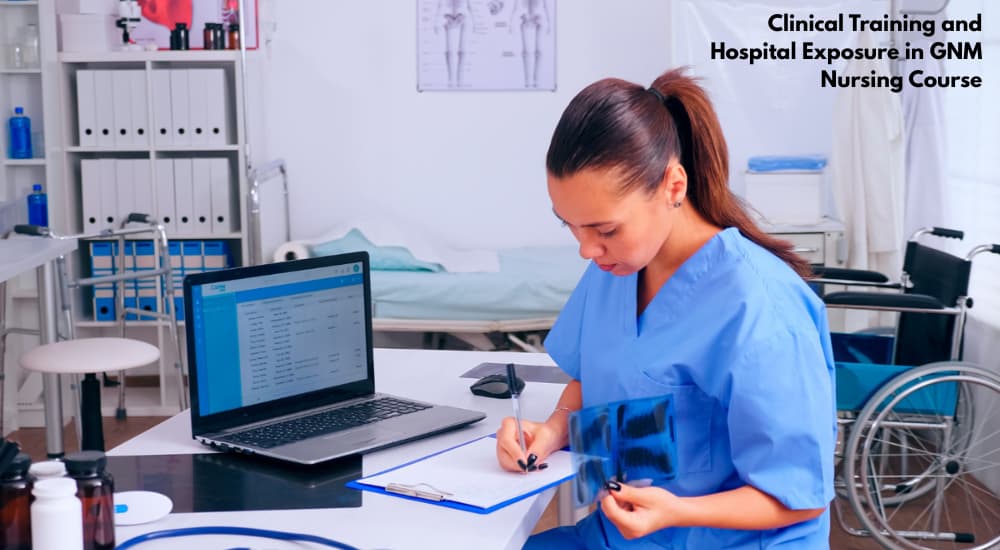
Clinical training is the backbone of nursing education. While classroom learning builds theoretical understanding, it is hands-on hospital exposure that transforms students into confident and competent nurses. In the GNM Nursing course, clinical training plays a central role in shaping professional skills, patient care abilities, and real-world decision-making.
For students pursuing the GNM Nursing Course in West Bengal, clinical exposure is carefully structured to ensure they are prepared to work in diverse healthcare environments. This blog explains how clinical training works, what students experience in hospitals, and why this exposure is essential for a successful nursing career.
Importance of Clinical Training in GNM Nursing
Nursing is not a profession that can be mastered through books alone. Clinical training allows students to apply theoretical concepts in real healthcare settings. It bridges the gap between what is taught in classrooms and what is expected in hospitals.
Through clinical training, students learn:
How to care for patients safely and ethically
How to work as part of a healthcare team
How to handle medical equipment and procedures
How to respond to real-life healthcare situations
This practical exposure builds confidence, discipline, and professional responsibility- qualities that are essential for every nurse.
Structure of Clinical Training in GNM Nursing
Clinical training in the GNM Nursing course is introduced gradually. Students are not sent directly into complex hospital duties. Instead, training follows a step-by-step approach that matches the student’s academic progress.
Early Phase: Basic Nursing Skills
In the initial phase, students focus on fundamental nursing procedures such as:
Bed making and patient hygiene
Vital signs monitoring
Basic infection control practices
Communication with patients
These skills are first practiced in nursing laboratories before being applied in hospitals.
Intermediate Phase: Supervised Hospital Posting
As students advance, they begin supervised clinical postings in hospitals. During this stage, they assist senior nurses and observe patient care routines. This phase helps students understand hospital workflows, ward management, and patient interaction.
Advanced Phase: Independent Clinical Responsibilities
In the final stage, students are expected to perform nursing duties with greater independence under supervision. This includes patient assessment, medication assistance, record maintenance, and coordination with doctors and healthcare staff.
Hospital Departments Covered During Training
GNM Nursing students receive exposure to multiple hospital departments to ensure comprehensive learning. Each department offers unique experiences and skill development opportunities.
Medical and Surgical Wards
Students learn patient care for medical conditions and post-surgical recovery. This includes wound care, medication administration, and monitoring patient progress.
Obstetrics and Gynecology
Training in maternity wards teaches students antenatal care, labor assistance, postnatal care, and newborn handling.
Pediatric Ward
Students learn child-specific care, vaccination procedures, and communication techniques suitable for young patients and their families.
Community Health Centers
Community postings help students understand public health nursing, home visits, health education, and preventive care programs.
Emergency and Critical Care Units
Exposure to emergency units trains students to handle urgent situations, basic life support, and patient stabilization under pressure.
Role of Clinical Instructors and Supervisors
Clinical instructors play a vital role in nursing training. They guide students during hospital postings, ensure correct procedures are followed, and provide real-time feedback.
Supervisors help students:
Understand patient safety protocols
Improve technical skills
Develop professional behavior
Correct mistakes in a learning-focused environment
This mentorship ensures students learn confidently without compromising patient care.
Development of Core Nursing Skills
Clinical exposure helps students develop essential nursing skills that cannot be learned through theory alone, including:
Patient observation and assessment
Time management during shifts
Accurate record keeping
Communication with doctors and patients
Emotional resilience and empathy
These skills form the foundation of a nurse’s professional competence.
Understanding Hospital Ethics and Professional Conduct
Hospital training also introduces students to ethical responsibilities. Students learn about:
Patient confidentiality
Respectful communication
Professional boundaries
Ethical decision-making in healthcare
These values are critical for building trust between nurses, patients, and healthcare institutions.
Challenges Faced During Clinical Training
Clinical training can be demanding, especially for new students. Common challenges include:
Adjusting to hospital schedules
Managing physical and emotional fatigue
Handling critical patient situations
Learning to stay calm under pressure
However, these challenges help students grow stronger and more confident. With guidance and experience, students learn to manage responsibilities effectively.
How Clinical Exposure Prepares Students for Employment
One of the biggest advantages of strong clinical training is job readiness. Hospitals prefer nurses who are familiar with real working environments. Students who receive proper hospital exposure adapt faster to professional roles after course completion.
Clinical training prepares students for:
Staff nurse roles in hospitals
Work in nursing homes and clinics
Community health nursing positions
Further nursing education and specialization
Importance of Institutional Support
The quality of clinical training depends greatly on the institution’s planning and hospital affiliations. At DSMS Institute of Nursing, clinical exposure is structured to ensure students receive consistent, supervised, and meaningful hospital experience throughout their course duration.
Such institutional support ensures students do not just complete required hours but truly learn from every posting.
Long-Term Impact of Clinical Training
Clinical training shapes a nurse’s professional identity. It teaches responsibility, compassion, teamwork, and accountability. Students who receive proper exposure during their GNM Nursing course are better prepared to handle real-life healthcare challenges with confidence.
This training also helps students decide their future career direction, whether in hospital nursing, community health, or advanced studies.
Conclusion
Clinical training and hospital exposure are the most important components of the GNM Nursing course. They transform students from learners into healthcare professionals capable of providing safe, ethical, and compassionate care.
Through structured postings, supervised practice, and real patient interaction, students develop the skills and confidence required in the nursing profession. A strong clinical foundation ensures that GNM Nursing graduates are ready to meet the demands of modern healthcare and build meaningful careers in nursing.